
Griot Community Newsletter - February 2024
- Welcome
- ACCA Celebrates 45 Years of Community Service in Hamilton
- Standing Tall
- ACCA's Youth Programs
- Nurturing Seniors' Well-being Through Cultural and Social Connections
- Aging Well at Home
- Capacity Building for Youth
- Mental Health
- Community Partnerships
- Housing
- Spotlight on Local Business
- Black History Month
- Meet Our Board Member
- Featured Column
- Upcoming Events
- Recipe for Ghanaian Jollof Rice
- 5 Questions for the Hon. Jean Augustine
- Farewell
- Of Note
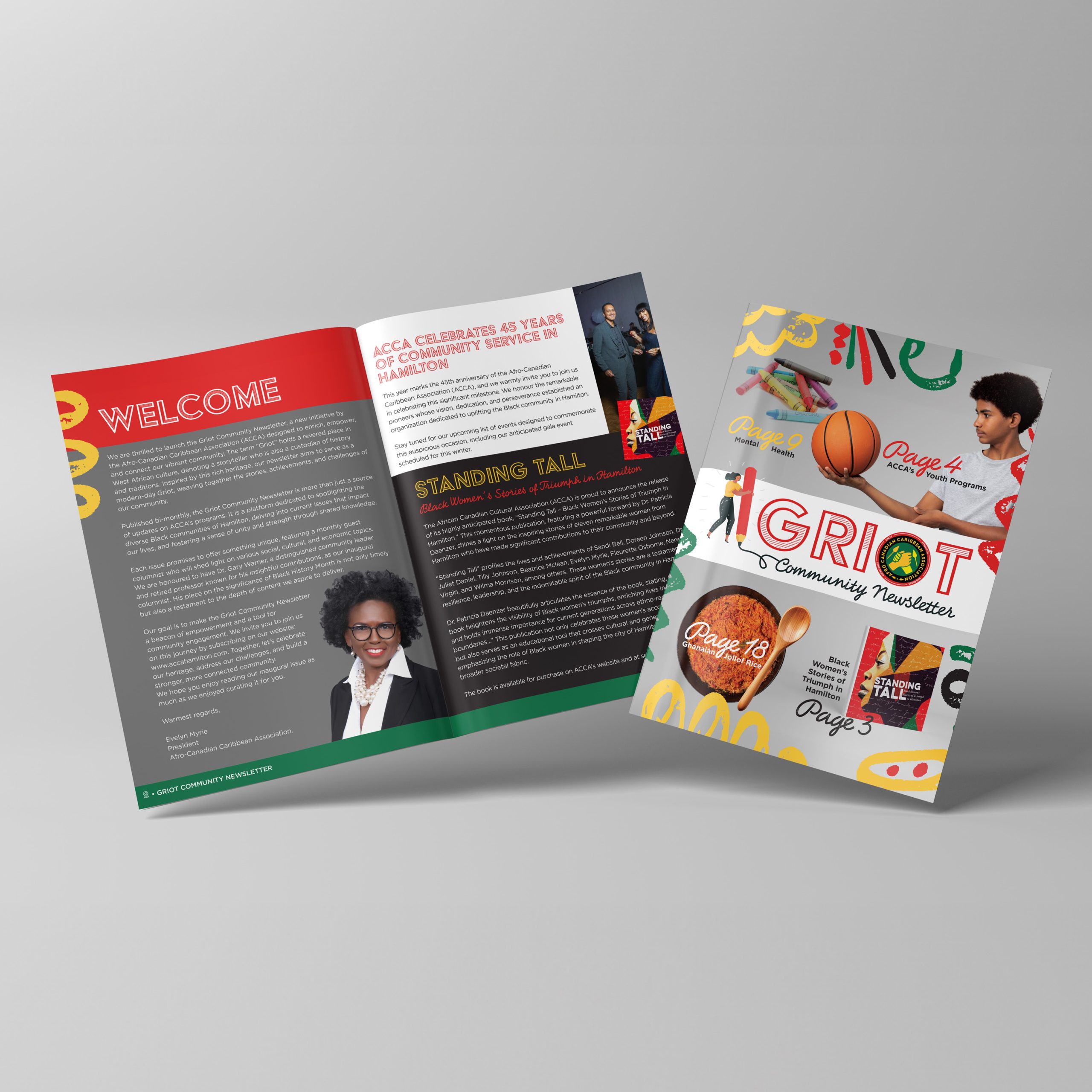
Welcome
Published bi-monthly, the Griot Community Newsletter is more than just a source of updates on ACCA's programs. It is a platform dedicated to spotlighting the diverse Black communities of Hamilton, delving into current issues that impact our lives, and fostering a sense of unity and strength through shared knowledge.
Each issue promises to offer something unique, featuring a monthly guest columnist who will shed light on various social, cultural, and economic topics. We are honoured to have Dr. Gary Warner, a distinguished community leader and retired professor known for his insightful contributions, as our inaugural columnist. His piece on the significance of Black History Month is not only timely but also a testament to the depth of content we aspire to deliver.
Our goal is to make the Griot Community Newsletter a beacon of empowerment and a tool for community engagement. We invite you to join us on this journey by subscribing on our website: www.accahamilton.com. Together, let's celebrate our heritage, address our challenges, and build a stronger, more connected community.
We hope you enjoy reading our inaugural issue as much as we enjoyed curating it for you.
Warmest regards,
Evelyn Myrie
President
Afro-Canadian Caribbean Association.

ACCA Celebrates 45 Years of Community Service in Hamilton
Stay tuned for our upcoming list of events designed to commemorate this auspicious occasion, including our anticipated gala event scheduled for this winter.

Standing Tall
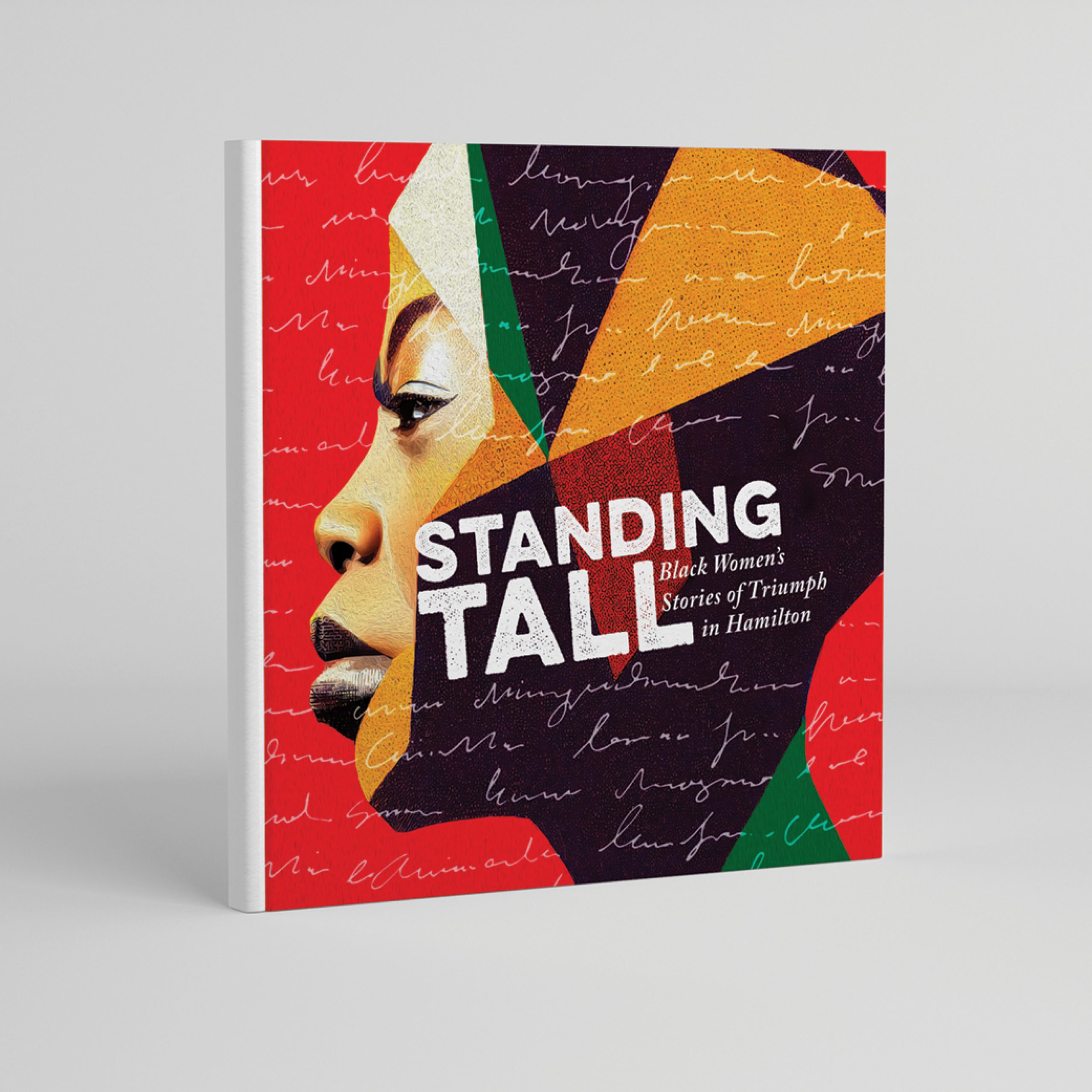
The African Canadian Cultural Association (ACCA) is proud to announce the release of its highly anticipated book, "Standing Tall – Black Women’s Stories of Triumph in Hamilton." This momentous publication, featuring a powerful forward by Dr. Patricia Daenzer, shines a light on the inspiring stories of eleven remarkable women from Hamilton who have made significant contributions to their community and beyond.
"Standing Tall" profiles the lives and achievements of Sandi Bell, Doreen Johnson, Dr. Juliet Daniel, Tilly Johnson, Beatrice Mclean, Evelyn Myrie, Fleurette Osborne, Nerene Virgin, and Wilma Morrison, among others. These women's stories are a testament to resilience, leadership, and the indomitable spirit of the Black community in Hamilton.
Dr. Patricia Daenzer beautifully articulates the essence of the book, stating, “The book heightens the visibility of Black women’s triumphs, enriching lives in Hamilton and holds immense importance for current generations across ethno-racial boundaries…” This publication not only celebrates these women's accomplishments but also serves as an educational tool that crosses cultural and generational lines, emphasizing the role of Black women in shaping the city of Hamilton and the broader societal fabric.
The book is available for purchase on ACCA’s website and at select stores in Hamilton.
ACCA’s Youth Programs
ACCAPALS Tutoring/Mentoring Program
Program Outline
The ACCAPALS Tutoring/Mentoring Program seeks to provide academic and role model support to youth aged 7-16 years old. Youth are paired with a tutor/mentor for one-on-one support throughout the academic school year (September 1 - June 30). We also provide drop-in hours for those students who desire extra tutoring at our main office 423 King St E.
Program Goals
The overall goal of the program is to improve the youth academic literacy in core educational competencies (i.e. Reading, Writing, and Math). A second goal is to provide adult role model support to our youth. The long-term goal is to encourage the youth to further their education and underscore the critical value of education in achieving adult success.
ACCA Diaspora Youth Development Program
Program Outline
The ACCA Diaspora Youth Development Program is a 12-week program that seeks to provide youth with educational opportunities in the areas of Black History and Culture. Furthermore, this program will also deliver workshops to teach youth life skills and leadership qualities and provide them with a foundation of their rich history and culture.
Program Goals
- To provide educational opportunities in which youth can learn about their history and culture
- To teach life skills that are essential in fostering positive development and self-identity
ACCA-Sports Program
Program Outline
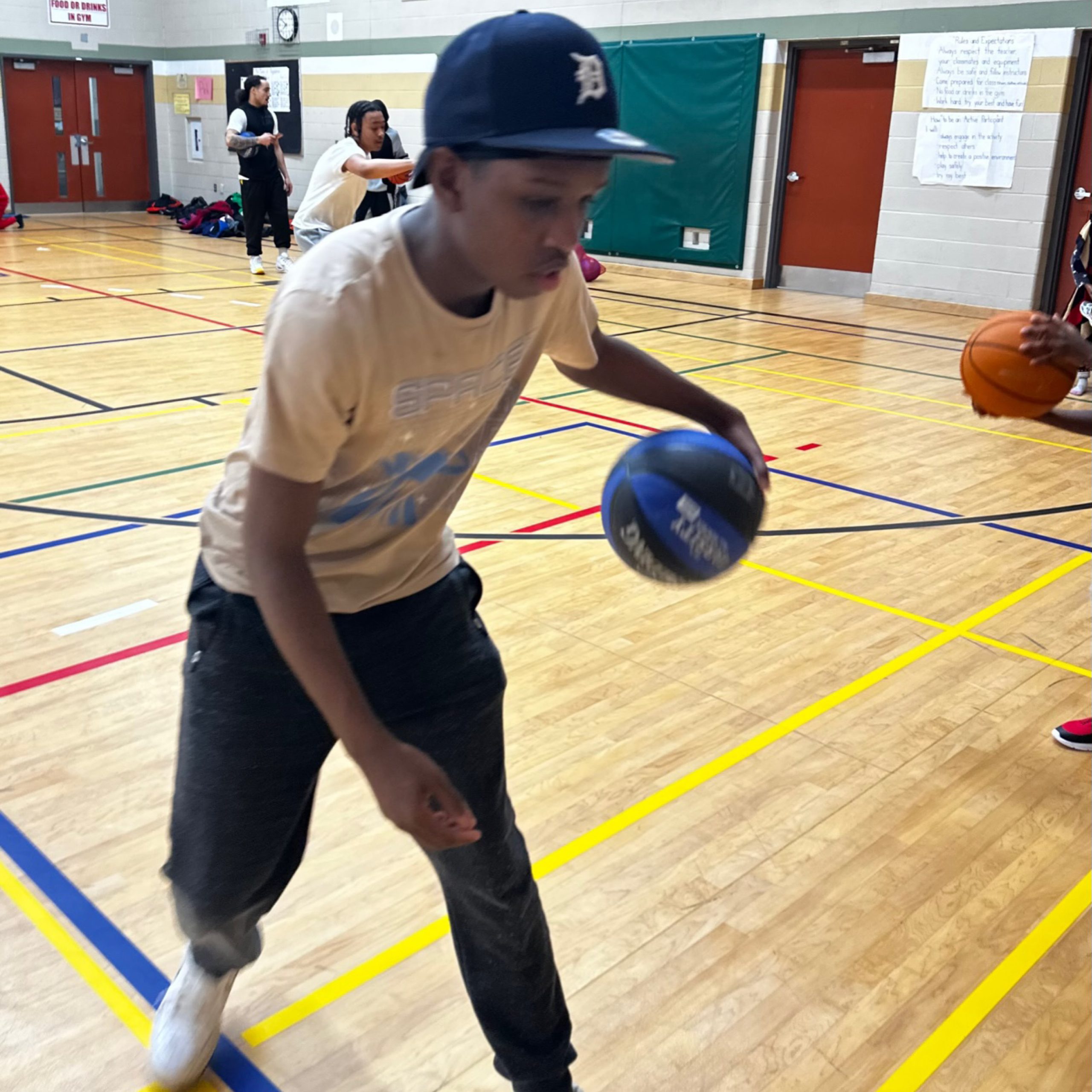
The ACCA Multisport Sports Program will have two streams that will run for 12 weeks cycling through a different sport each week. Each session will last for one hour.
The participants will be divided into two age groups: 5-9 and 10-17 years old.
The primary aim of the program is the development of physical literacy in youth, which will be accomplished through basic sports introduction, mini-games, and fundamental athletic movements including:
- throwing
- catching
- jumping
- balancing
The ACCA-Rec
This will run for 12 weeks cycling through three sports. Each session will be 75 minutes in length focusing on athletic skill development in a recreational setting. The session will begin with 25 minutes of skills/drills development and the remaining time (50 minutes) will be devoted to gameplay.
Program Goals
The overarching goals of the ACCA-Sports programs are to create an inclusive environment in which youth can play sports and develop the mindset to be healthier individuals.
ACCA E-Sports Gaming Club
Program Outline
The ACCA E-Sports Gaming Club seeks to provide youth with a space in which they can play E-sports and connect with their peers. They will learn some of the fundamentals of the E-Sports industry such as:
- content creation
- live-streaming
- competition
- marketing
Furthermore, through the club, members will receive the tools needed to develop skills in gaming. Participation in E-sports is a cooperative activity. Players from teams must create strategies to accomplish their objectives. Thus, this activity builds teamwork among participants.
ACCA will be working closely with NASEF (Network of Academic and Scholastic Esports Federation), an international organization that facilitates E-sports competitions for youth using MINECRAFT EDUCATION. As part of the ACCA E-Sports Gaming Club, the youth will have the opportunity to take part in the MINECRAFT competitions online for chances to win prizes.
Program Goals
The overall goal of this program is to allow youth to learn valuable life skills and form a community that is welcoming through the world of E-sports. More specifically, youth will learn the importance of teamwork, leadership skills, support skills, and more. In fact, the same skills that are beneficial to E-sports are useful in their daily lives.
Nurturing Seniors’ Well-being Through Cultural and Social Connections
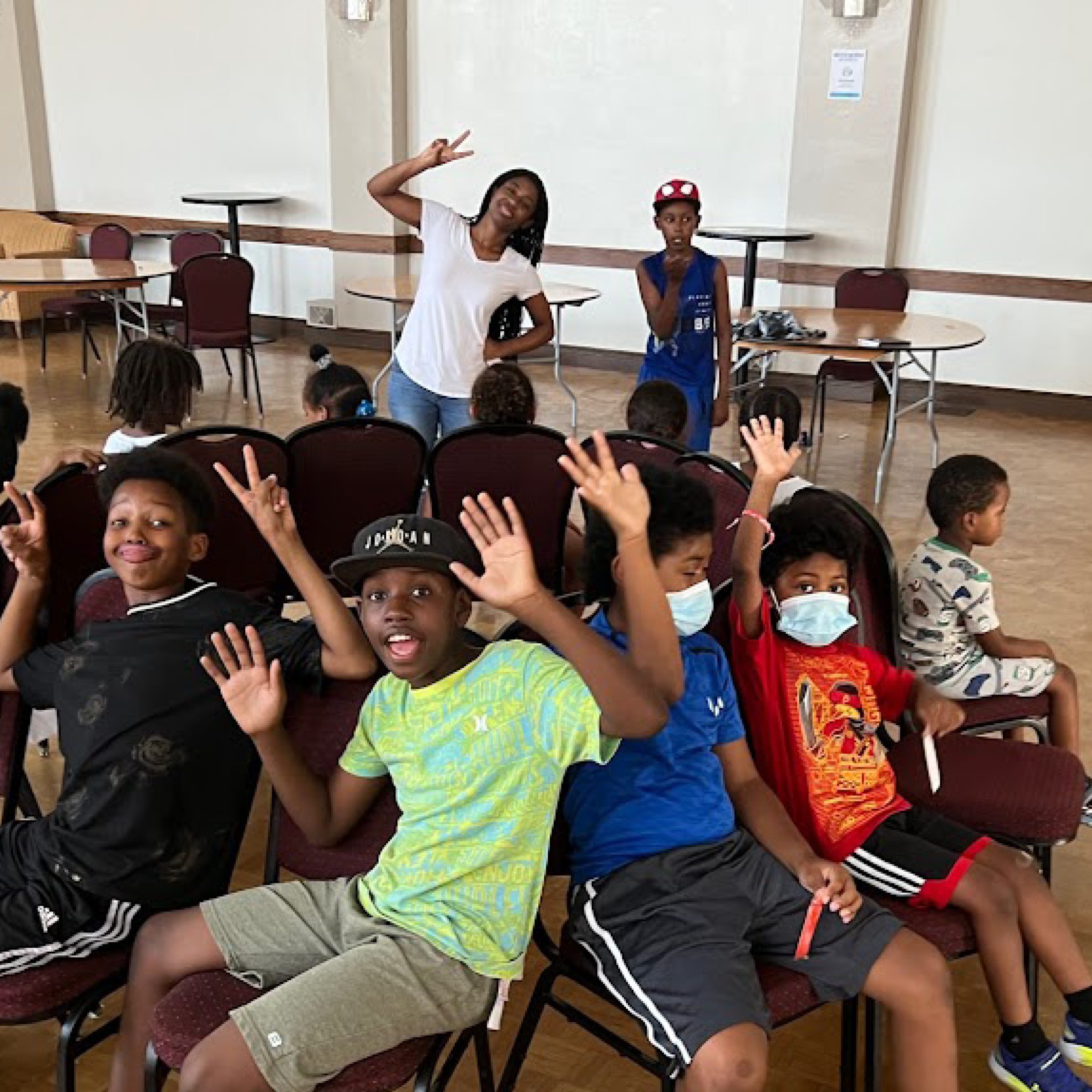
- Gallery/Museum visits
- Flower planting
- Arts and Crafts
- Seniors Picnic
- Annual Seniors Health and Wellness Forum
- Community Connectedness Workshops
- Inter-generational sessions
- African and Caribbean language sessions
- Culturally Relevant Games
Cultural Sensitivity Matters for Seniors
In our ongoing commitment to enhancing the lives of our seniors, we are excited to shed light on a subject that holds immense importance in our diverse and vibrant community.
Seniors, the wise pillars of our community, carry with them a rich tapestry of cultural experiences and traditions. Recognizing and respecting these diverse backgrounds are essential in fostering an inclusive and supportive environment. Cultural sensitivity goes beyond mere acknowledgment; it's about understanding, appreciating, and celebrating the unique qualities that make each senior an invaluable part of our community.
Cultural sensitivity programs created for seniors play a pivotal role in promoting social connections. Feeling understood and appreciated in a cultural context creates a sense of belonging and reduces feelings of isolation. When seniors can share their stories, traditions, and experiences, it not only enriches their lives but also creates bridges of understanding across generations.
Seniors engaged in culturally sensitive programs often experience improved mental and emotional well-being. Such programs provide a platform for self-expression, helping seniors to navigate the challenges that come with aging. The sense of community built through these programs acts as a protective factor against loneliness and depression.
Studies have shown that seniors engaged in culturally sensitive activities tend to experience better health. Whether through traditional dance, music, or art, these programs encourage physical activity, which is crucial for maintaining mobility and overall health in the aging process.
Food is a universal connector. Our programs feature culturally relevant meals, providing a taste of home and fostering a sense of shared experience around the table.
Incorporating games into our program ensures that our seniors remain mentally and physically active and alert. We aim to cater to diverse interests via card and domino games and also initiate new games that challenge their cognitive ability.
Get Involved
Therefore, we are inviting seniors to actively participate in our cultural sensitivity programs. Your involvement will not only serve to enrich the lives of our seniors, but it will also contribute to the vibrancy of our entire community.
In embracing and celebrating the diversity of our seniors, we build a stronger and more connected community. Let's continue to foster an environment where every senior feels seen, heard, and valued.
You are invited to join us at our Upcoming Events:
- A Workshop on Dementia in Black Canadian Communities: Increasing Awareness and Decreasing Stigma: We unfold the research findings on Saturday, March 30, 2024, at 842 Main St E at 10:00 am to 1:00 pm.
- Cultural Exchange Fair: Watch for our ½ day cultural celebration! Seniors will have the chance to showcase their traditions, share stories, and connect with others in the community.
- Language Learning Series: Watch for dates for our language classes for interested seniors. Whether you want to learn a new language or reconnect with your roots, these classes are open to all.
- ACCA seniors meet at 11 am on the 1st and 3rd Wednesday of each month. Connect with us by calling 905-385-0925 or visit us at 842 Main Street East (side door).
Wishing you all a month filled with cultural richness and meaningful connections!
Aging Well at Home
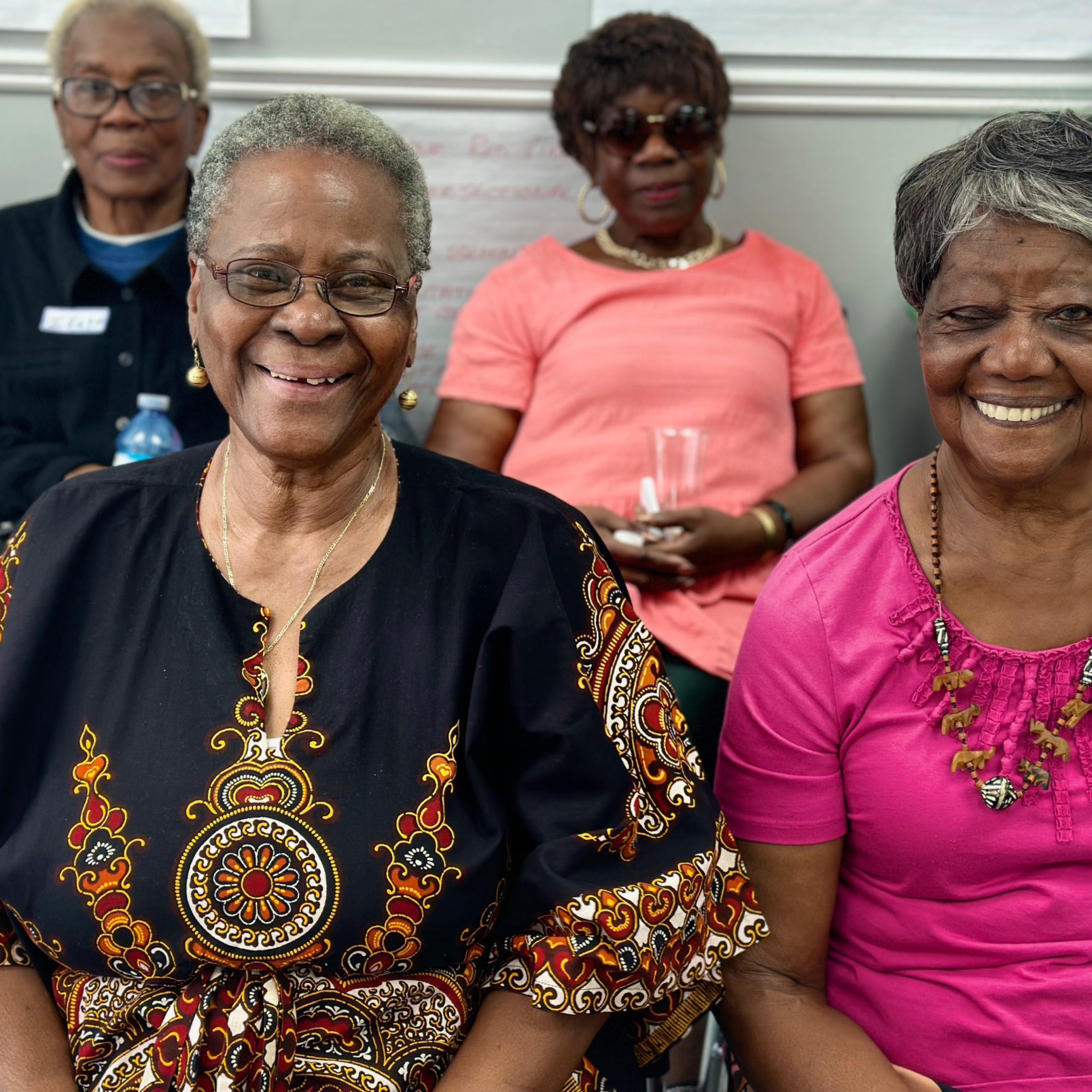
The program is thoughtfully designed to assist seniors in navigating and accessing eligible services within the community, promoting their independence, and quality of life.
For more information or to register for the program, please contact us at 905-385-0925 or via email at acca1979info@gmail.com
Capacity Building for Youth
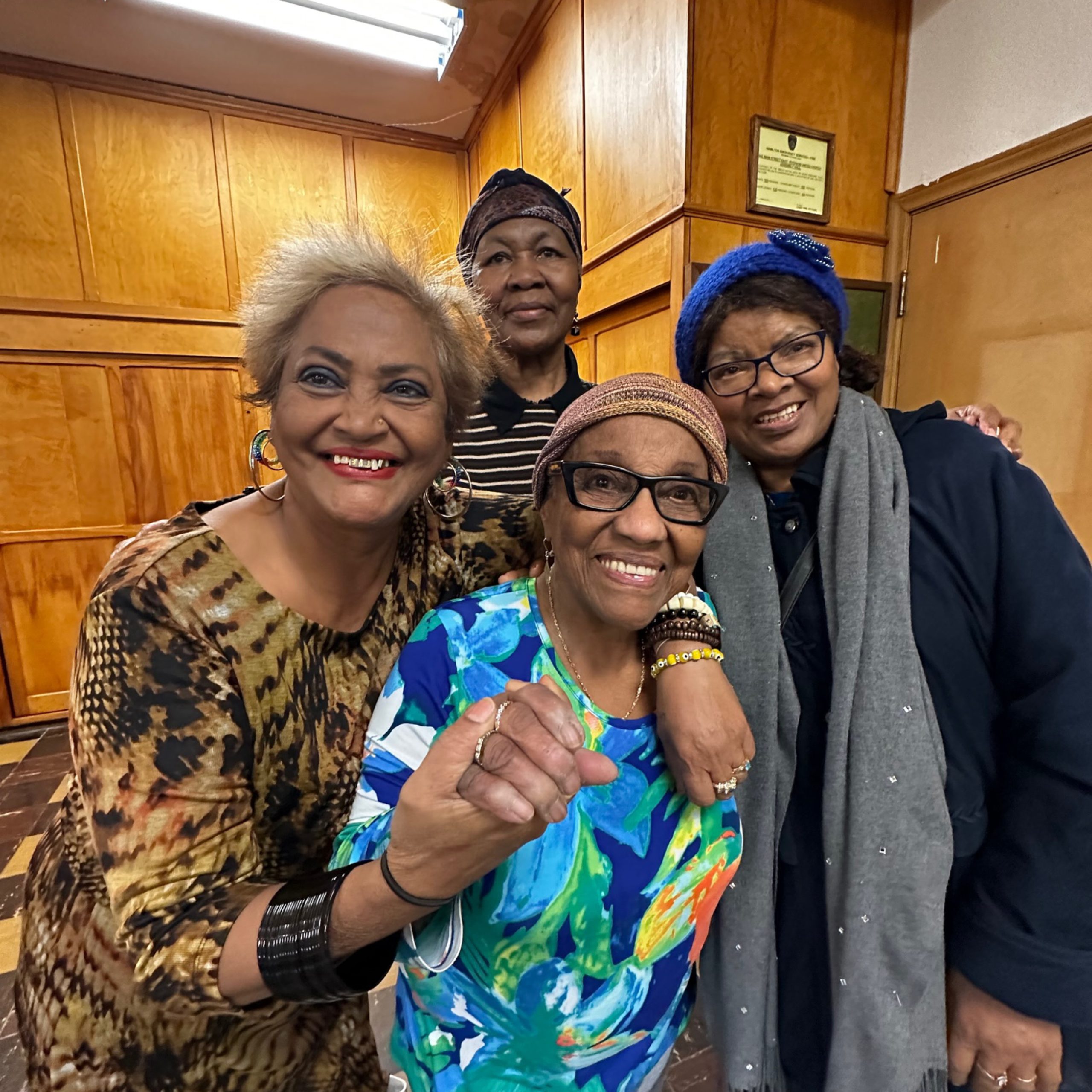
- Conducting diversity training and workshops to promote understanding and acceptance among youths.
- Providing training to youths who demonstrate leadership potential in countering hate and fostering inclusivity.
- Developing workshops specifically tailored to engage youths in meaningful conversations surrounding racism, equipping them with the tools to effectively combat it.
Together, we can empower our youths to be agents of positive change, fostering a more inclusive and equitable society for all.

Mental Health
What We Offer
ACCA has assembled a dedicated team of mental health professionals ready to provide tailored support on an individual and family basis. Recognizing the diverse needs of our community, we offer flexible engagement options:
- Weekly Appointments: For ongoing support, fostering steady progress and resilience.
Our services are designed to be culturally responsive, catering specifically to the African, Caribbean, and Black Canadians in Hamilton. By sharing our specialized knowledge, addressing prevalent community issues, and providing practical guidance, we aim to empower individuals and families across all age groups—youth, teenagers, adults, and seniors.
Why It Matters
Now more than ever, access to culturally appropriate mental health support is crucial. Our initiative not only seeks to heal and support but also to build stronger, more resilient individuals and families within our community. We believe that by working together, we can overcome the barriers to mental wellness and foster a healthier, more vibrant community.
Get Connected
Ready to take the first step toward a brighter tomorrow?
Contact us at acca1979info@gmail.com or call 905-385-0925 to connect with our team and learn more about accessing these vital supports.

Community Partnerships
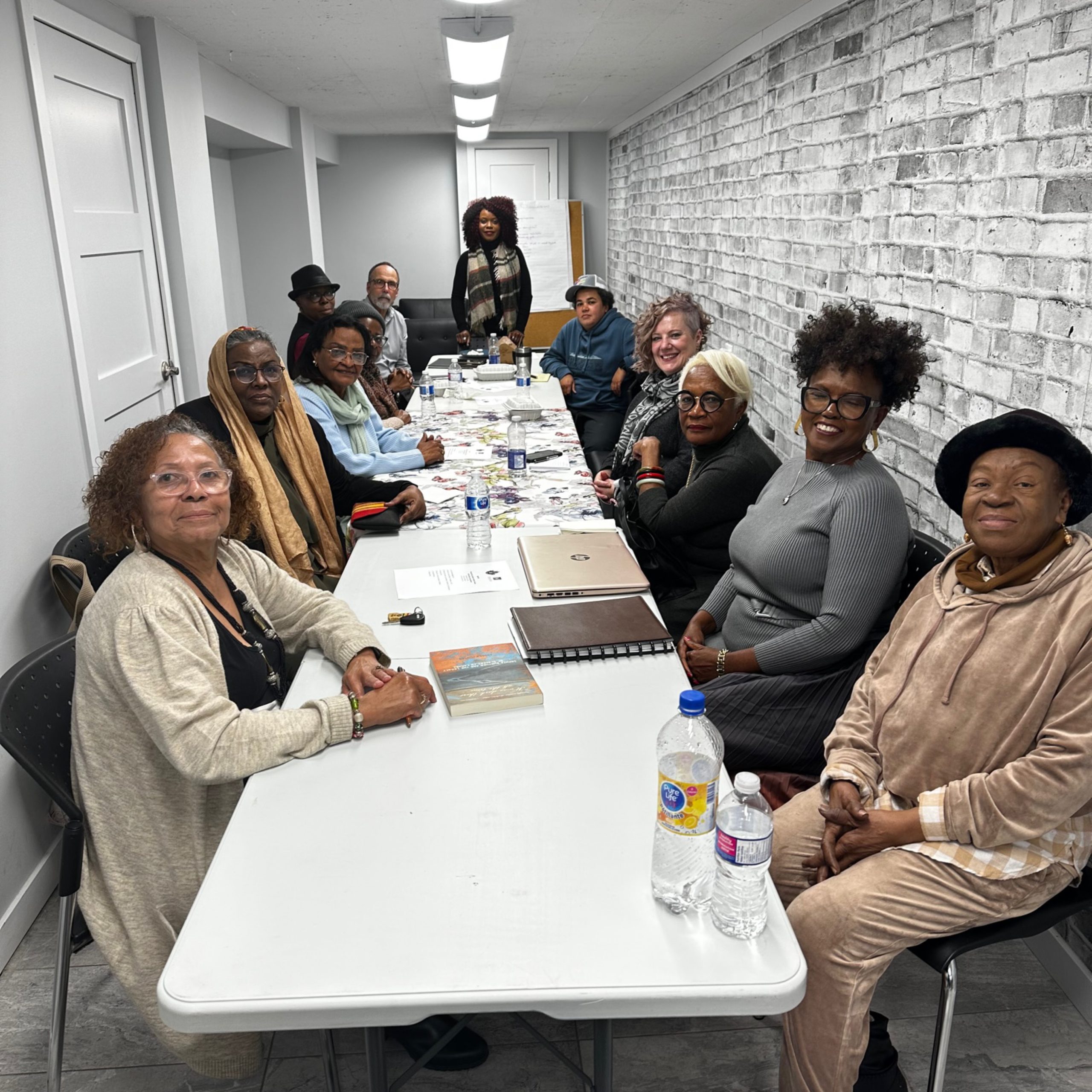
We have hosted two consultations with the community and will be presenting a report and recommendations to the HCM this month.
Housing
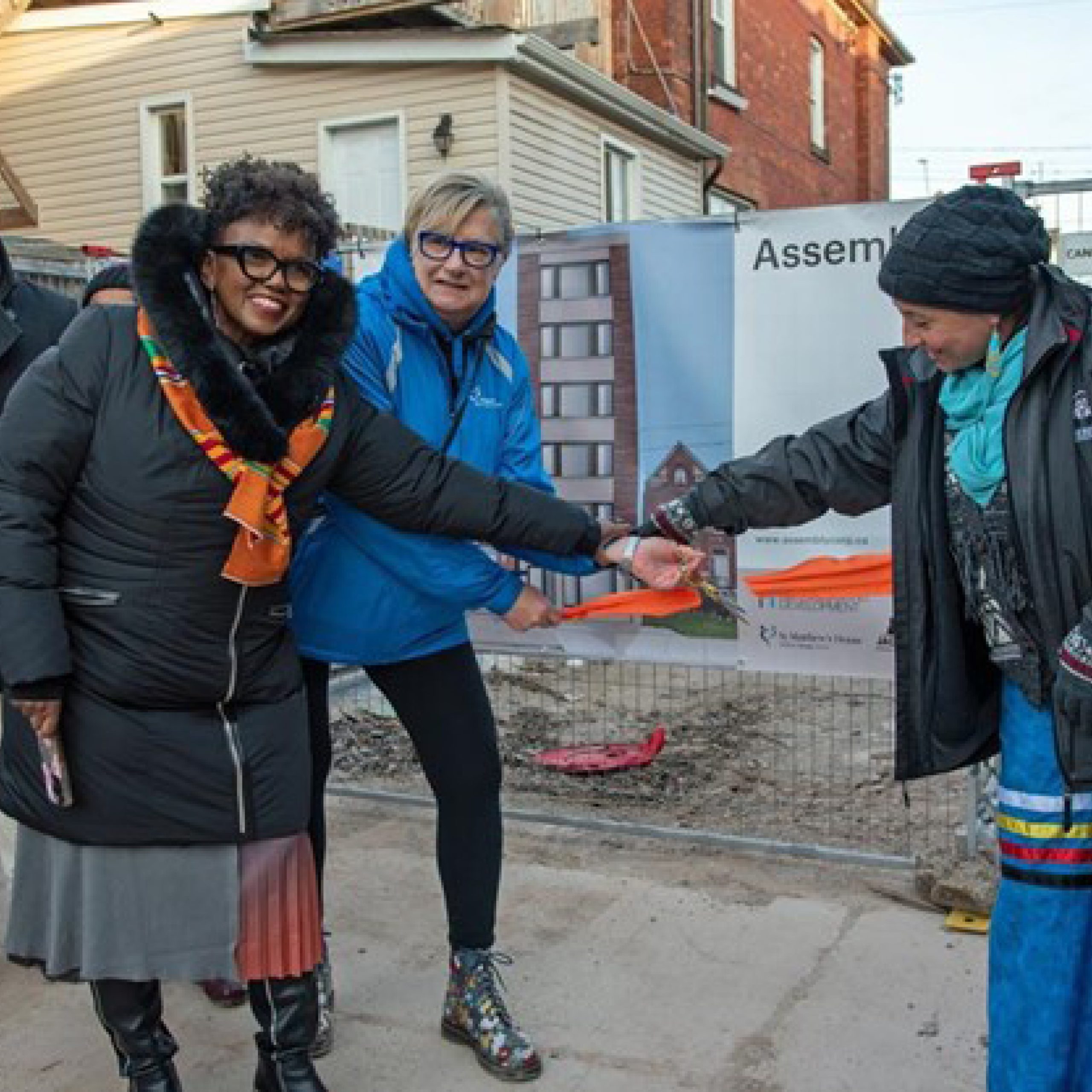
The property located at 412 Barton is undergoing transformation into 15 deeply affordable units tailored to accommodate seniors facing homelessness. This initiative reflects our commitment to providing safe and secure housing for vulnerable members of our community.
A Sunrise Ceremony was held on December 15, 2023, to launch the project, honouring the site as it starts its new journey as homes for Black and Indigenous seniors facing homelessness.
We are pleased to collaborate with CP Planning, a non-profit urban planning organization dedicated to practicing a human rights-based approach to community planning. We are working with CP Planning to support the Black community in affordable housing development initiatives.
Stay tuned for upcoming workshops and conversations where we will delve deeper into these important topics.
Spotlight on Local Business
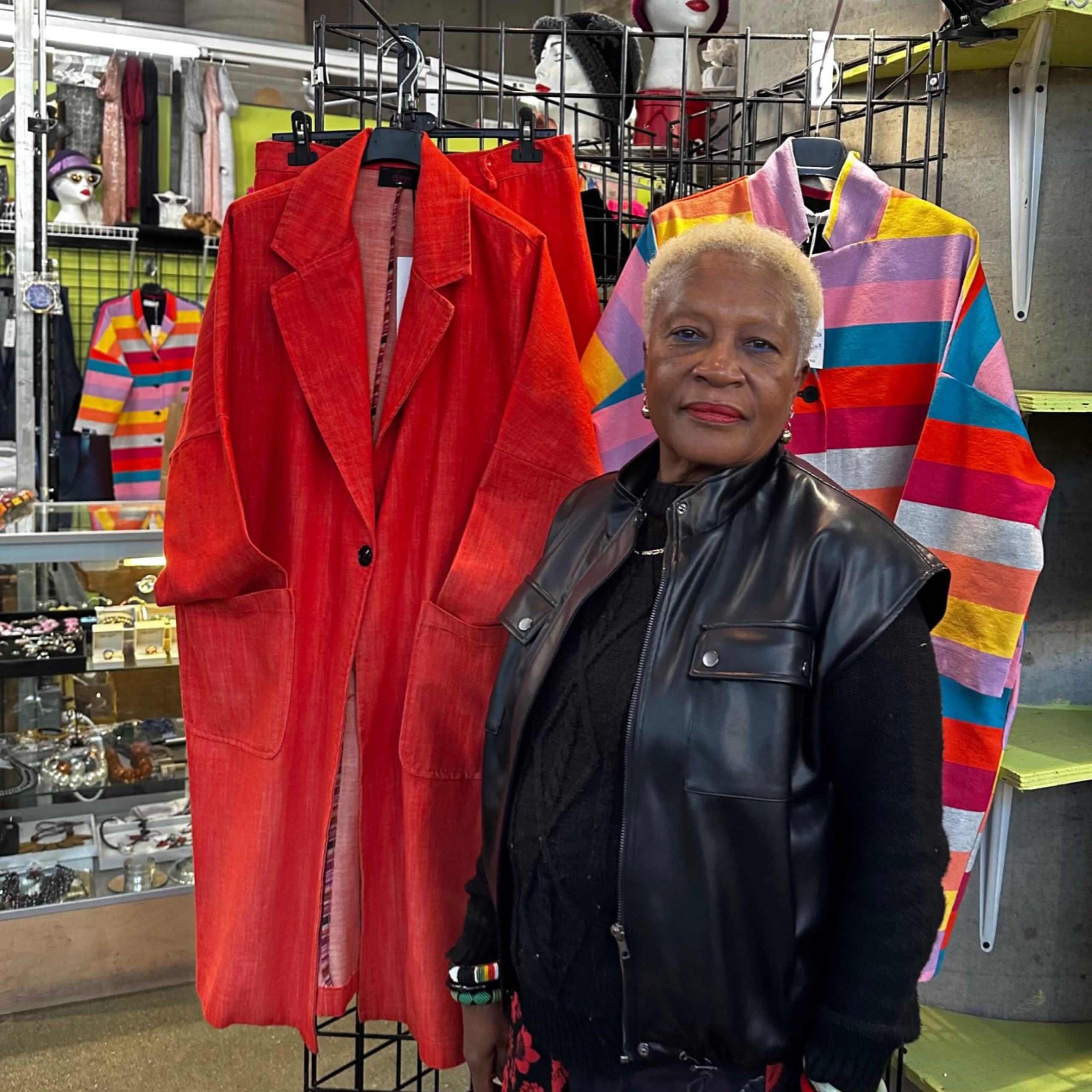
Artisan Market
With a background in textile design under the renowned OOps Label, Miller infuses her expertise into every corner of Artisan. From handmade jackets to stylish crocheted hats, each piece exudes timeless elegance, transcending fleeting fashion trends.
Artisan beckons patrons with an array of offerings, including bespoke purses and bags crafted in-house from leather and fabric, tailored for individuals exuding confidence. The gallery boasts an eclectic assortment of original paintings, recycled wine barrel trays, and locally sourced pottery, alongside a diverse selection of jewelry, aprons, and African hand-carved wood and soapstone ornaments.
Not only does Artisan curate a collection of exquisite handcrafted items, but it also invites patrons to engage in the creative process through custom orders, ensuring every piece is imbued with personal significance.
Step into Artisan and embark on a journey of discovery, where each meticulously crafted item tells a story of passion, skill, and artistic expression. Welcome to a world where artistry knows no bounds.
We encourage readers to patronize this and other businesses in our diverse Black community.
Black History Month
Mayor Eisenberger embraced the proposal and extended invitations to other key stakeholders within the City, including representatives from the City Manager’s Office and Hamilton Civic Museums, to participate in subsequent discussions. The collective aim was to collaboratively work towards the realization of this important objective, underscoring the City's commitment to recognizing and honouring the rich heritage and contributions of the Black community.
In 2023, the City of Hamilton launched its first official Black History Month Celebration under the theme We Are Hamilton - Black History Remembered. The following individuals were honoured:
- Julia Berry
- Sophia Burthen Pooley
- Denise Brooks
- Robert Foster
- Vince Hall
- John Holland
- Anita Isaac
- Dr. Ethilda “Tilly” Johnson
- Ray Johnson
- Norman “Pinky” Lewis
- Wilma Morrison
- Neville Nunes
- Fleurette Osborne
- Eleanor Rodney
- Cynthia Taylor
- Jack “Jackie” Washington
Black History Kick off 2024
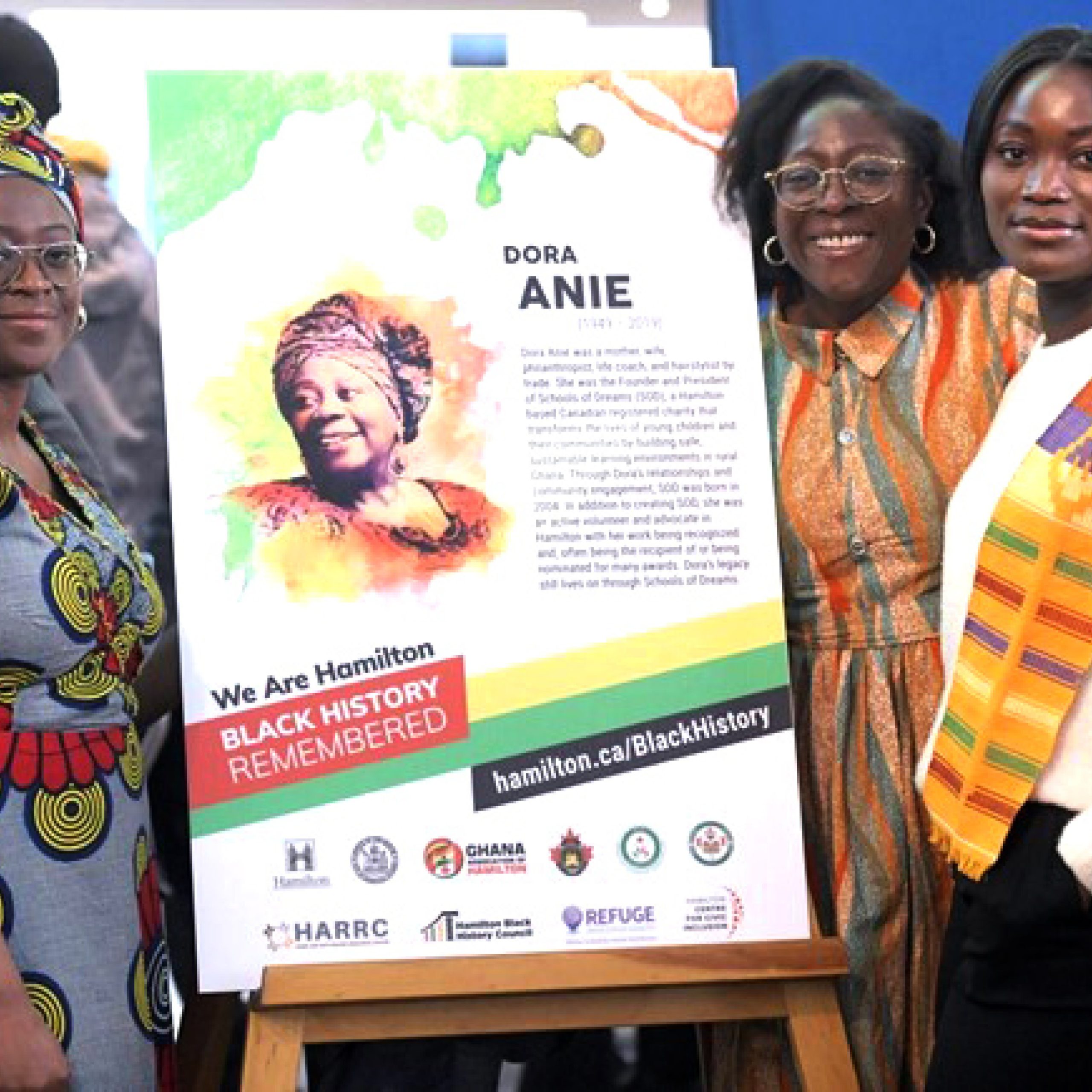
Working closely with Black-led organizations in Hamilton, this year, Dora Anie, a philanthropist and founder of School of Dreams, was recognized at the event as the We Are Hamilton - Black History Remembered 17th honouree.
Meet Our Board Member
Ruth Rodney, RN, PhD
She believes that one should “never accept no from someone who is not in a position to tell you yes.”
Many people and events have influenced her life and led her to where she is now. Author Chimamanda Ngozi Adichie is one such influence. The first book she read ‘Half of a Yellow Sun’ told the story of three people during the time of the Biafran war. However, Adichie’s Ted Talk entitled ‘The Danger of a Single Story’ is something “that I return to often and also share with others.”
When Dr. Rodney looks towards the future, she says she sees that we will need to continue working towards our own emancipation. As for ACCA, “I would like ACCA to be a space of safety, strength, and support for all members within our community.
Dr. Ruth Rodney is a registered nurse and Assistant Professor at York University’s School of Nursing.

Featured Column
Unpacking the Roots and Relevance of Black History Month
During an exercise session at the gym, someone tapped me on the shoulder and pointed to a poster advertising Black History Month, questioning the reason for these activities during the month of February. It was an opportunity for me to provide some background on its genesis. It is common knowledge for some of us but is worth repeating. We owe this celebration to an initiative by historian and educator Carter Godwin Woodson.
The significance of Woodson’s experience as the son of former slaves, and the second African American after W. E. B. Du Bois to obtain a Ph.D. from Harvard University, is a rich story in itself. His initiative resulted in the launch of a Black History Week in the U.S. in the second week of February 1926, which coincided with the birthdays of Abraham Lincoln and Black antislavery activist, Frederick Douglass. Woodson’s goal was to counteract the denial of African history, the myth surrounding Black inferiority, and the absence of references to the contributions of African Americans in history books and educational materials.
In February 1976, Black History Week was expanded to Black History Month in the U.S. as part of the Bicentennial celebrations. The celebration of Black History Month subsequently spread to other countries - the UK in October 1987, and later to other European countries.
In 1995, the Canadian Parliament officially recognized February as Black History Month on a motion introduced by Jean Augustine, the first African Caribbean woman to be elected to the House of Commons as a Member of Parliament. More recently, a number of African countries have also begun celebrating Black History Month.
During my student days in France in the 1960’s, the denial of Black History and humanity against which Carter Godwin Woodson campaigned was still dominant, as exemplified in the following statement made by Hugh Trevor-Roper, Professor of Modern History at Oxford University (1957 – 1980) in his book, The Rise of Christian Europe, published in 1965:
"Perhaps in the future there will be some African History to teach. But at present there is none, or very little: there is only the history of Europe in Africa. The rest is largely darkness, like the history of pre-Columbian America, and darkness is not a subject for history."
This ongoing denial of the history of Africa and of the Indigenous peoples of the Americas before their “discovery” by Europeans, even after the period of decolonization in Africa, is staggering. Equally troubling is the fact that the issues that led to the creation of the first Black History Week continue to affect Black students in the Canadian education system today. For example, the Report of the HWDSB Safe Schools: HWDSB Bullying Prevention and Intervention Review Panel, on which I sat, released the following in January 2021:
“In particular, Black participants were frustrated by their ongoing experiences of systemic racism. They raised issues such as the disproportionate rates of suspension and expulsion of Black students; Black students being underestimated and streamed into lower, restricted and applied programs (sometimes without parental consultation); the school-to-prison pipeline; and unequal distribution of resources to “nicer schools.”
Other factors affecting Black students include the absence of black history and achievements from the curriculum and the absence of role models due to the underrepresentation of black or other racialized people as educators in the classroom.
The Hamilton Wentworth District School Board hired its first Black Director of Education, also its first female Director of Education, Sheryl Robinson Petrazzini, in 2022. Racialized educators are noticeably absent from the senior leadership of school boards. We see many high-performing Black students at the various award ceremonies such as the John Holland Awards, ACCPI, the Tilly Johnson Scholarship. However, their success does not diminish the reality of these systemic barriers for far too many Black youth.
The same questioning of Black History Month that prompted the reflections above manifested itself after the Inaugural Black Graduation Celebration in June 2022. This was a special occasion for Black students from every Faculty to collectively celebrate their academic achievement, their resilience, and their hopes for the future in a magical space of community empowerment. Critics voiced or internalized their disapproval of this ‘separatist’ event which they saw as an unnecessary and undesirable addition to the official university graduation ceremonies.
The active engagement of the staff of the City of Hamilton, working collaboratively with representatives of local Black organizations in the preparation and launch of Black History Month 2023 activities, displayed a welcome sensitivity to the impact of systemic anti-Black racism. This active support has continued during the preparation for the launch of Black History Month 2024.
Meetings with Mayor Andrea Horwath have raised hopes that, building on the support provided by previous Mayor Fred Eisenberger, the City will continue to play a proactive role in promoting and supporting dismantling anti-Black racism as an important component of its equity, inclusion and antiracism strategy.
My final brief note to the person who tapped me on the shoulder in the gym is that every month will indeed be Black History Month when African Canadian history becomes an integral part of Canadian history; and when the aspiration of Canada as an inclusive nation which is fair and equal for all who live here is a lived reality for all African Canadians.
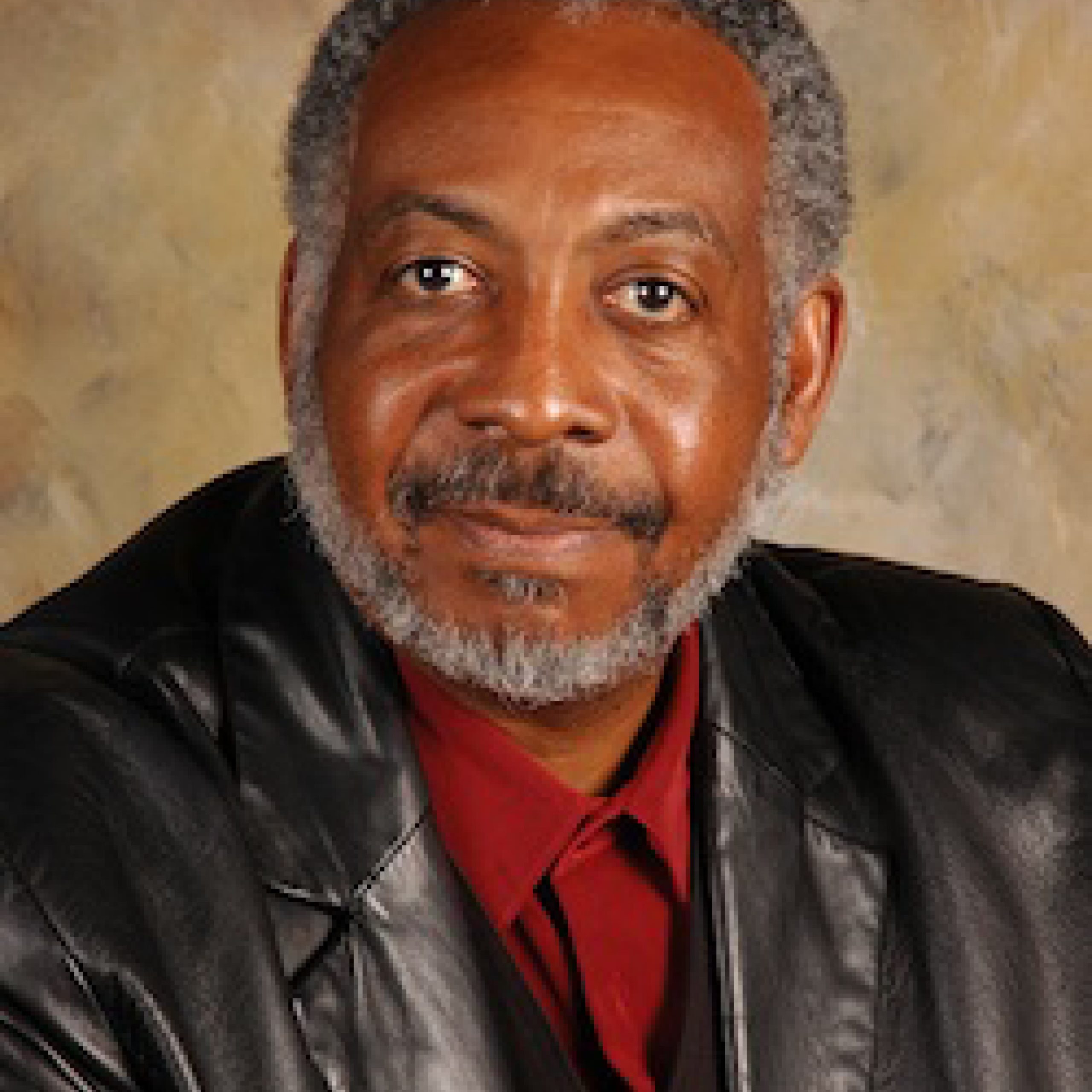
Dr. Gary Warner is a community leader, a human rights champion, and a retired McMaster professor.
Upcoming Events
| February 23 | 7:30 p.m. | Say It Loud – Celebrating a History of Black Music – Guelph Black Heritage Society – Royal City Church, 50 Quebec Street, Guelph |
| February 24 | 5:30 p.m. | 28th Annual John C. Holland Awards – Liuna Station, Hamilton |
| February 24 | 2:00 p.m. | Author Event – Morgan Campbell discusses My Fighting Family and Sheila Murray discusses Finding Edward – Central Library – 55 York Boulevard, Hamilton |
| February 24 | 12:00 – 4:00 p.m. | Black Joy, Wellness and Resistance - 2024 Cambridge Black History Month Celebration – Idea Exchange, 1 North Square, Cambridge |
| February 24 | 6:00 p.m. | RBC Black Diamond Ball – Fairmont Royal York, 100 Front Street West, Toronto |
| February 25 | 11:00 a.m. – 6:00 p.m. | Black History Month Celebration – Carnival Edition – Music, dance and food organized by Freedom Arts and Culture – Small Arms Inspection Building – 1352 Lakeshore Road East, Mississauga |
| February 26 | 6:00 p.m. | Film: Finding Freedom on the Sixteen – The Black History of the Town of Oakville – Canadian Caribbean Association of Halton – Film.ca Cinemas, 171 Speers Road, Oakville |
| February 28 | 10:00 a.m. | Stories with Livi and Friends – Turner Park Library – 352 Rymal Road East, Hamilton |
| February 28 | 6:30 p.m. | Film: Land and Legacy: Celebrating Black History Month and Oakville’s Treaty Day – Canadian Caribbean Association of Halton – Film.ca Cinemas – 171 Speers Road, Oakville |
| Search Eventbrite.ca or HPL.ca for further details, including ticket prices. | ||
Recipe for Ghanaian Jollof Rice
Ingredients to Steam Meat
- Meat – amount according to your preference
- Onion – half of a medium
- 1 – Spice blend cube or any preferred spices e.g. curry powder, mixed spices etc.
- 1 – Habanero or scotch bonnet pepper (optional)
- 1 – Large stock cube (optional) but preferred personally
- Ginger powder – Optional
- Chicken seasoning – Optional
Ingredients to make stew & Jollof Rice
- 14 – Tomatoes peeled you may use the canned ones
- 1 – Extra-large onion or 2-3 medium-sized ones.
- 2 – Habanero or scotch bonnet pepper (optional)
- 2-4tbsps – tomato paste
- 1tbsp – shrimp powder (optional)
- Chicken seasoning
- 1 – Stock cube (optional)
- Salt
- Spice mix
- Vegetable oil
- 3 cups – Jasmine scented rice or Basmati Rice are perfect for Jollof Rice (Ghana Jollof of course)
Method
STEP 1
To begin, blend all the ingredients for steaming the meat, add it to the meat and cover it up. Then cook until it’s nice and tender. Save the stock to use for cooking the Jollof rice later.
STEP 2
Next, blend the habanero and onions and set it aside, do the same with the tomatoes. Heat oil and add the blended onions and habanero and fry for about 3 minutes. Then add the tomato paste and fry for about 5 minutes. Please note that the beginning stages of your jollof stew is very important, so fry the tomato paste very well to ensure that your stew tastes good, then add 1 or 2 bay leaves and cook for 3 more minutes. Next, add the blended tomatoes; add some water to loosen up the stew a bit and then cook this until the tomatoes lose their sour taste.
STEP 3
Check the tenderness of the meat to ensure it is soft and juicy then go ahead and fry them till they're golden brown. You can also opt to just sauté the meat. Set the meat aside while you continue to stir the stew periodically so that it doesn’t burn.
STEP 4
With the stew looking, tasting, and smelling good, it’s time to add some of the stock that was set aside from steaming the meat and also our seasoning, stir it up nicely and allow to cook on medium-low until oil begins to settle on top of it, indicating that the stew is almost done. Add the meat to the stew, let it simmer for about 10 - 15 minutes. Then start preparing the rice by washing it in cold water a few times to get rid of as much starch as possible.
Add the Jasmine rice to the stew and give it a good stir until each grain is coated with some of the stew. Add about a cup of cold water to the rice,- it’s not a lot of water, just a little bit enough to loosen up the grains of rice so that the steam can penetrate and cook it beautifully then cover it up with parchment paper and the lid. Bring it to a boil, then lower the heat and cook for 15 minutes. Stir again to loosen up your grains of rice to enable steam to go through it. In order for your Jollof rice to cook perfectly, stirring it in the beginning, in the middle and in the end, is the key; This ensures that steam is going through to cook it to perfection.
***It's recommended to cook your Jollof Rice on medium heat and then lower the heat at the very end.
**Some people like soft-cooked rice while others prefer a firmer texture. Your preference will dictate the amount of fluid you'll use namely, stew, stock, and water.
Comfort Afari
Past President, Ghana Association of Hamilton

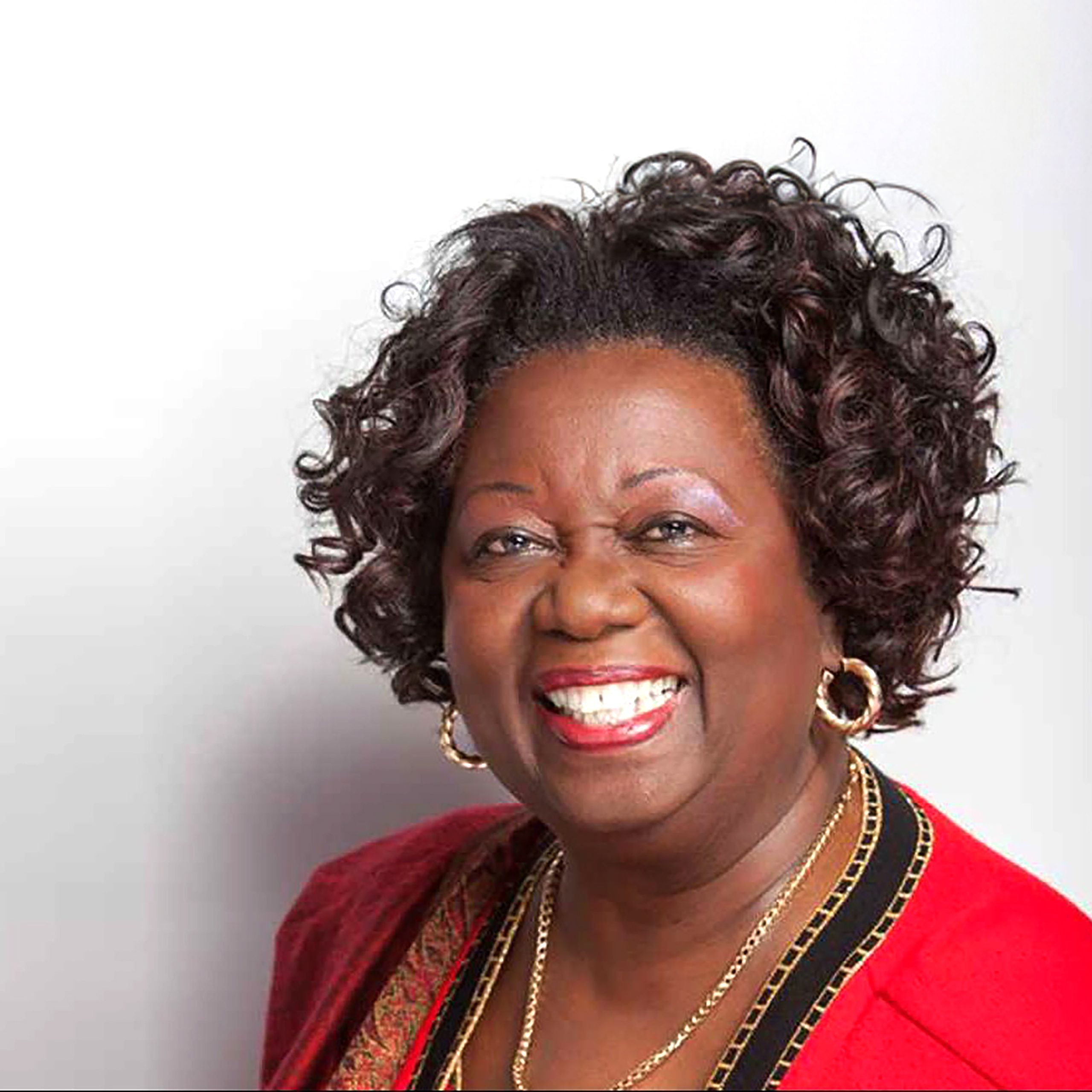
5 Questions for the Hon. Jean Augustine
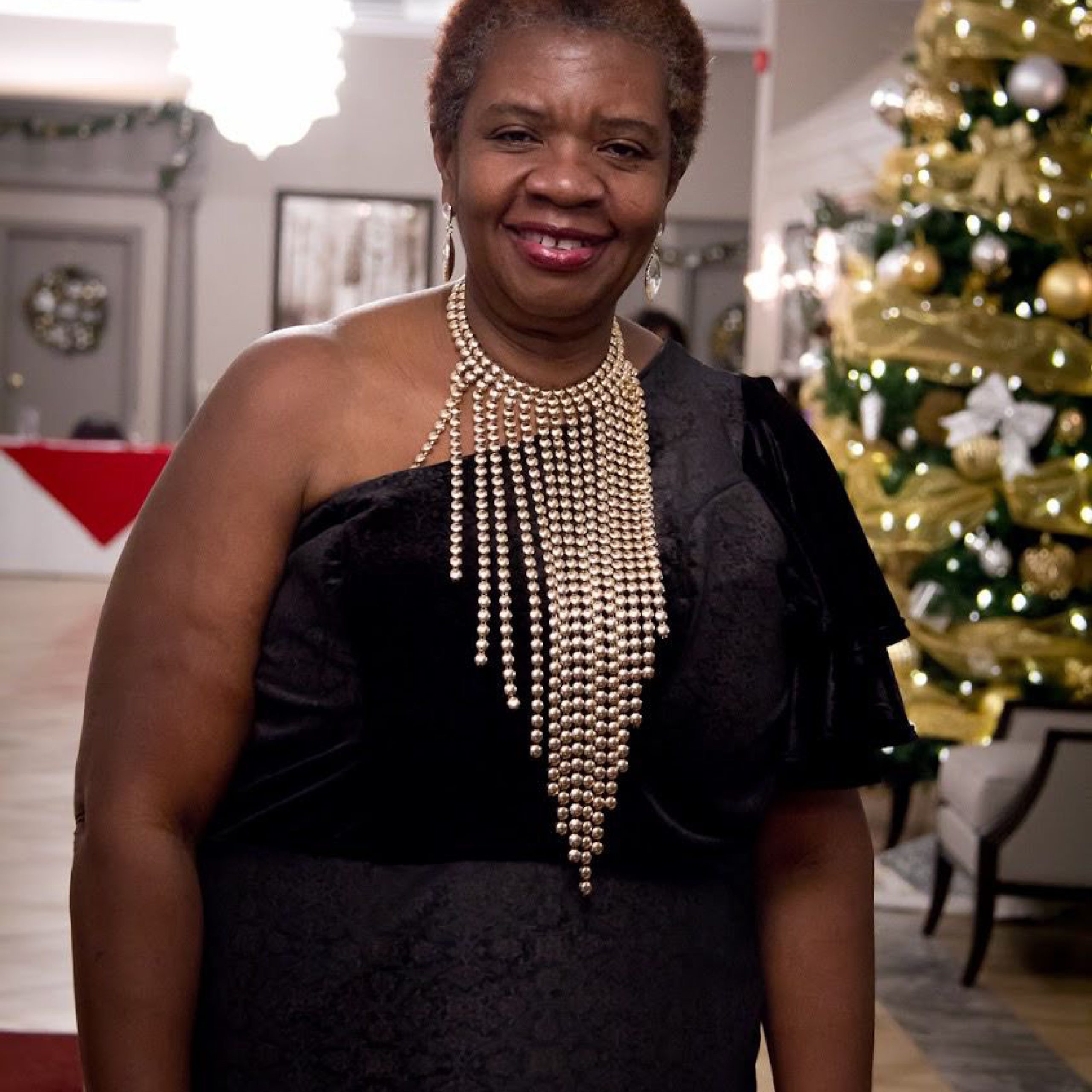
Born on September 9, 1937, in Grenada, Augustine immigrated to Canada in 1960, where she embarked on a ground-breaking career that would see her shattering barriers and setting precedents for future generations.
Augustine's professional journey began in the field of education, where she worked as an elementary school teacher. Her passion for social justice and education reform propelled her into the political arena.
During her tenure in Parliament, which lasted until 2006, Augustine championed numerous causes related to education, multiculturalism, and women's rights. She was instrumental in the establishment of February as Black History Month in Canada, a testament to her dedication to promoting diversity and inclusion.
Following her retirement from politics, Augustine continued to impact her community and country through various roles, including serving as the Fairness Commissioner of Ontario, where she worked to ensure transparent and equitable practices in the licensing of professions.
- Who or what inspired you in your life? How were you inspired?
My inspiration is always from my Grandmother who believed in me and thought there was nothing I couldn’t do if I wanted. Her words always resound and inspire me. “Yes, you can. There is nothing you can’t do girl”. - Which books would you take with you to a desert island?
I enjoy Biographies but I will take with me on a desert island Kahil Gibran’s THE PROPHET and the international Women’s Movement Anthology SISTERHOOD IS GLOBAL edited by Robin Morgan. - What is one of your favourite quotes?
“You may not be able to change the direction of the wind, but you can certainly adjust your sail.” Or one I use often, “It’s a great life, if you don’t weaken.” - What is the best advice you would give to this up and coming generation?
Stay strong. Take risks. Let no one define you. Set measurable goals. - What's your favorite dish?
My favourite dish is Grenada Oil down.
Farewell
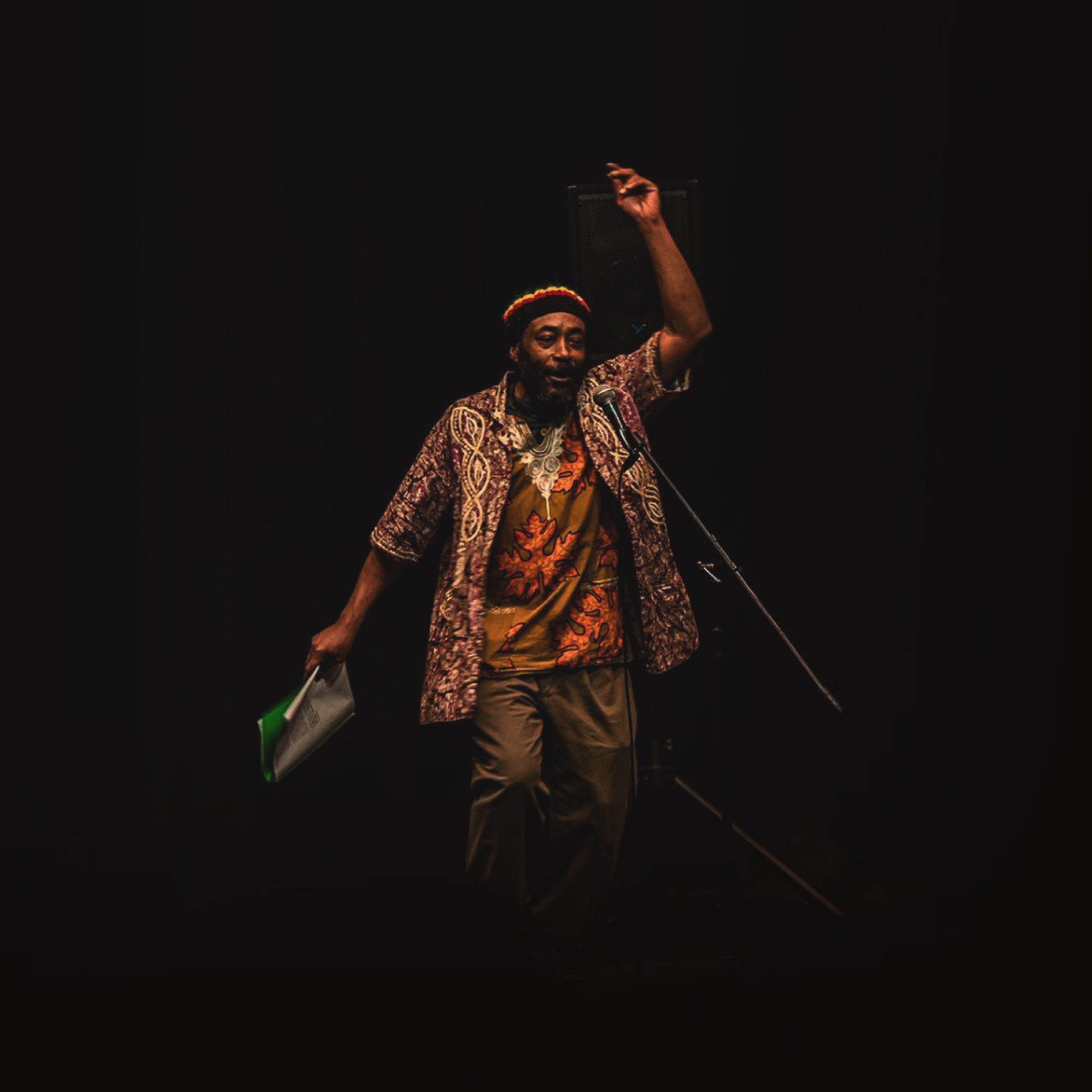
Klyde Broox
The passing of Klyde Broox marks a profound loss for the arts and cultural community locally and internationally. His significant contributions to dub poetry and social activism have not only enriched the cultural tapestry but also highlighted critical social issues. Broox's unique ability to weave together themes of justice, identity, and the immigrant experience through his art has resonated deeply with audiences and fellow artists, establishing him as a pivotal figure in the genre of Dub Poetry.
His legacy is one of profound impact, characterized by a deep commitment to leveraging art as an important tool for social change. Klyde was one of the teachers with ACCA’s Black youth development program. He was well-loved by the young people whom he guided in areas of history and culture. His vision and voice will continue to inspire our youth.
As we commemorate his life and contributions, it is essential to acknowledge the depth of his influence and the permanent mark he has left on the world of art and activism in Hamilton and internationally.
Blessed and Beloved
Klyde Broox
Can never hold sway over me
For goodness and mercy favor me
And I feel blessed and beloved
Thus adversity and animosity
Can never hold d sway over me
For goodness and mercy favor me regularly
And I feel blessed and beloved
I feel blessed and beloved
For I come with love instead of hatred
I come with love instead of hatred
Because I feel blessed and beloved
I feel beloved and blessed
Because I live for love instead of hatred
I feel beloved and blessed
Blessed and beloved
I feel blessed and beloved
For goodness and mercy favor me regularly
Therefore I feel blessed and beloved
I feel blessed and beloved
Blessed and beloved
Beloved and blessed are we
Who love to less each other
Basil Vernon – A Community Builder
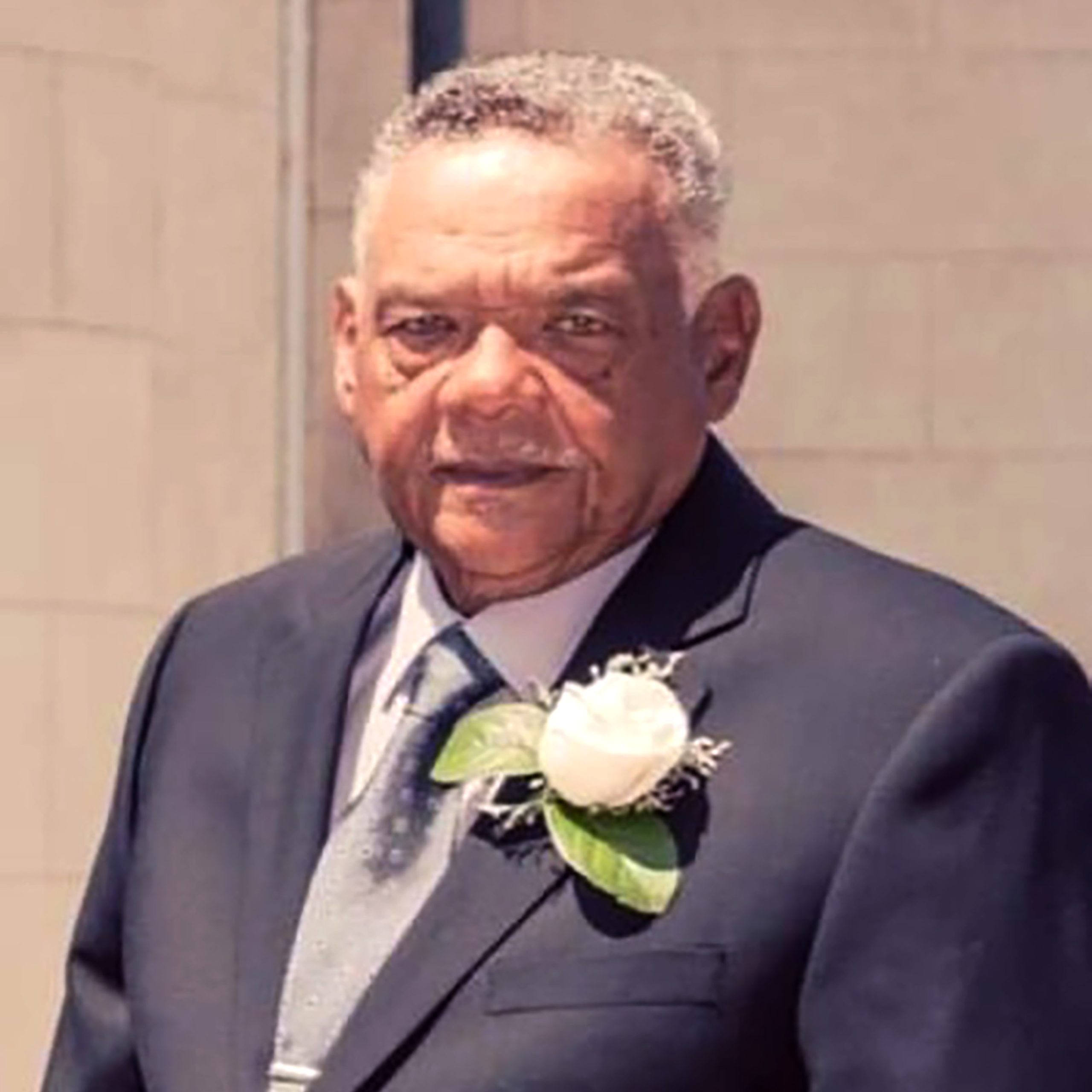
One of ACCA’s founding members Basil Vernon passed away in Hamilton on January 22, 2024. He dedicated many years to serving as a volunteer and supporter of the organization. Born in Jamaica, Basil moved to Hamilton at the age of 25. After more than 30 years of service, he retired from Stelco. Outside of his professional life, Basil cherished spending time with friends and family, particularly enjoying his hobbies of cricket, golf, and dominos.
Nerene Virgin – Farewell to a Trailblazer
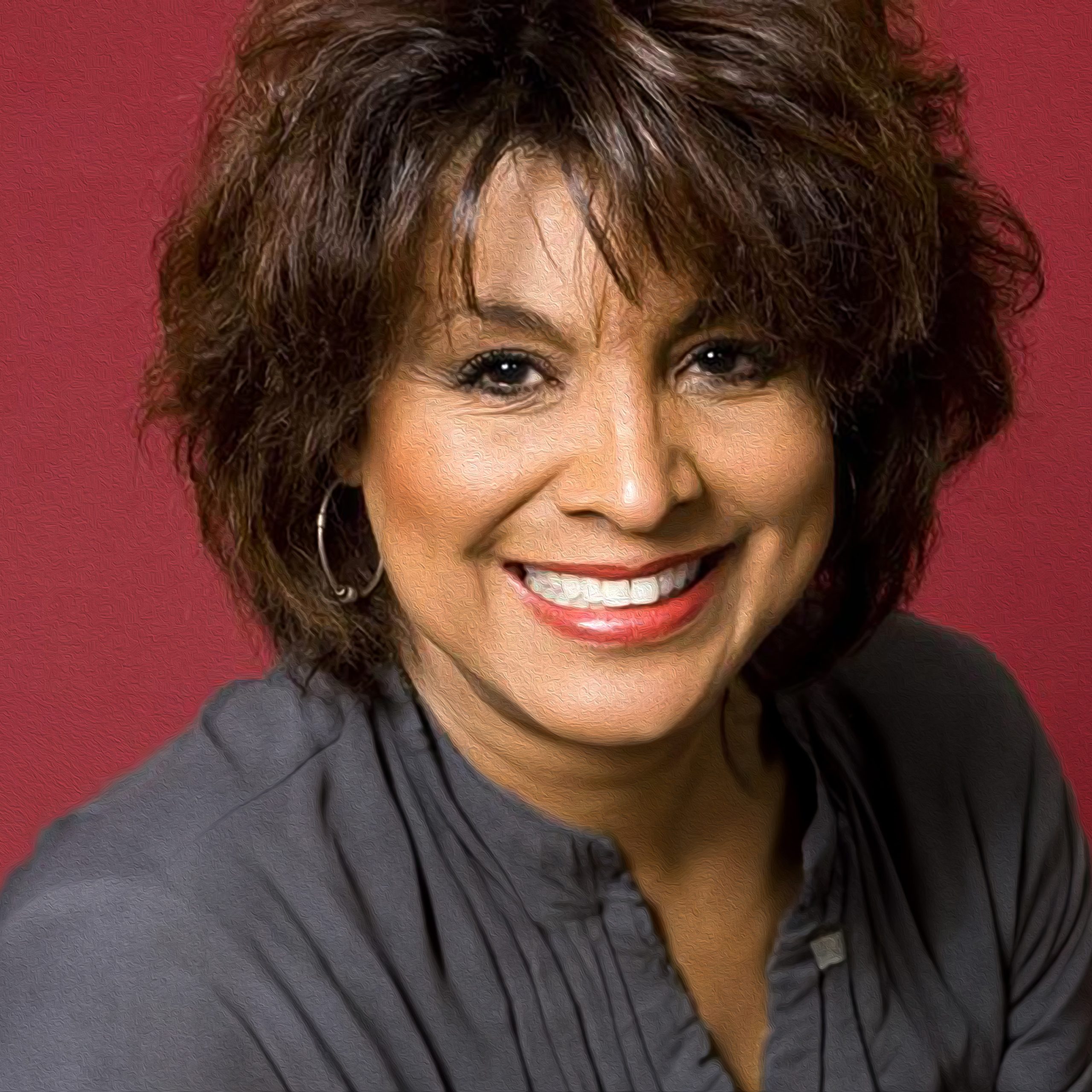
As an educator, journalist, television presenter, actress, author, and politician, Nerene wore many hats with grace and distinction. Her role on the children’s television series, Today’s Special, brought joy and inspiration to countless viewers, while her advocacy work and storytelling prowess enriched our understanding of Black history in Hamilton and Canada.
Nerene's profound impact extended far beyond her professional endeavors; she was passionate about Black History, social justice, and equality. She served as a mentor to many and used her voice to amplify the issues facing marginalized communities.
Of Note
- MP Matthew Green recently received the Bob Marley Day Humanitarian Award for his continuous work in fighting injustice.
- The Prime Minister, Justin Trudeau, recently announced the extension of the International Decade for People of African Descent in Canada for 3 more years. Using the frameworks of the UN Decade, this extension “will support Black Canadians and strengthen their leadership in business, social justice, and community”, he said.
- The Ontario government is introducing new mandatory learning in Grades 7, 8, and 10 history on the exceptional contributions and history of Black Canadians who helped build Canada, starting in 2025.
- The dates for the 4th National Black Canadians Summit have now been announced. We look forward to seeing you September 6 – 8, 2024 at the Palais des congrès de Montréal, in Québec.